Planning your first Uganda safari? Discover the best time to visit, top national parks, safari costs, gorilla trekking permits, visa requirements and practical travel tips to help you plan an unforgettable African adventure.
Uganda, famously known as the Pearl of Africa, offers an extraordinary combination of wildlife, tropical rainforests, dramatic landscapes and authentic cultural experiences. From the open savannahs of Queen Elizabeth National Park to the mighty Nile at Murchison Falls, the country offers remarkable experiences for travelers seeking nature, adventure and discovery.
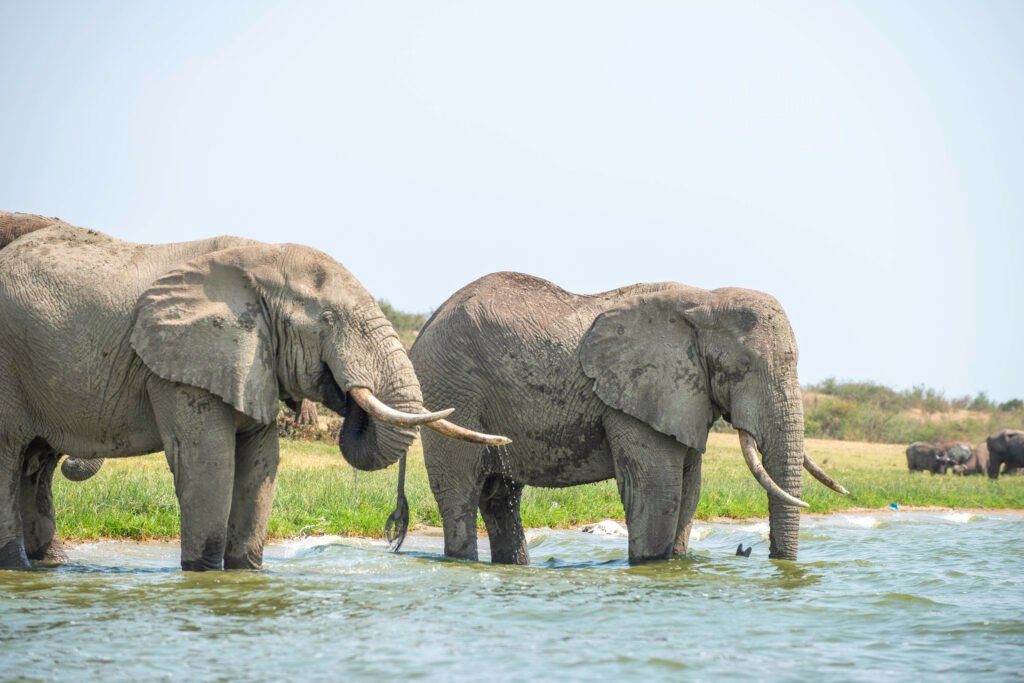
Imagine watching elephants move across the savannah, cruising past hippos along the Kazinga Channel, tracking mountain gorillas in Bwindi Impenetrable National Park or listening to chimpanzees call through the forests of Kibale National Park.
For first-time visitors, a Uganda safari can be a memorable introduction to Africa’s natural and cultural diversity. However, good planning is essential. Knowing when to travel, which destinations to choose, how much to budget and which permits and documents you need can make your journey more enjoyable.
At Kaju Community & Nature Tours Uganda Limited, we believe that every great safari begins with informed planning. Here are 12 essential Uganda safari tips to help you prepare for your first visit
The best time to visit Uganda for a safari depends on your preferred activities, travel dates and budget. Uganda is a year-round destination, although seasonal weather can influence road conditions, hiking and wildlife viewing.
Drier periods: June to August and December to February
These months are generally popular for game drives, gorilla trekking and outdoor adventures. Some roads and trails may be easier to navigate, although conditions vary by region.
Wetter periods: March to May and September to November
The countryside becomes greener, creating beautiful photography opportunities. Birdwatching can also be rewarding, while forest trails and some unpaved roads may become muddy.
Wildlife safaris, gorilla trekking and chimpanzee tracking are available throughout the year, subject to permit availability, weather and park conditions.
Travel tip: Choose your dates based on what you want to experience. If gorilla trekking is your priority, confirm permit availability before making non-refundable travel arrangements.
One of the biggest advantages of a Uganda safari is the variety of experiences available. Instead of trying to visit every destination, select national parks and activities that match your interests.
Mountain Gorilla Trekking
Bwindi Impenetrable National Park and Mgahinga Gorilla National Park offer opportunities to encounter endangered mountain gorillas in their natural habitat.
Gorilla trekking involves hiking through forest terrain with trained guides and park rangers. The experience can be physically demanding, and the duration of a trek depends on where the gorillas are located.
Permits are limited, so check availability for your intended date and location with your tour operator before finalizing your itinerary.
Wildlife Safaris and Game Drives
Queen Elizabeth National Park, Murchison Falls National Park and Lake Mburo National Park are excellent options for travelers interested in Uganda’s savannah wildlife.
Depending on the destination and conditions, you may encounter elephants, buffaloes, giraffes, antelopes, hippos, crocodiles and a variety of bird species. Lions and other predators may also be seen, although wildlife sightings are never guaranteed.
An experienced safari guide can help you explore suitable habitats, interpret animal behavior and make the most of your game drives.
Chimpanzee Tracking
Kibale National Park is particularly well known for its chimpanzee-tracking experiences.
Visitors can explore tropical forest habitats with trained guides and observe chimpanzees in their natural environment. The experience also provides insight into primate behavior, forest ecosystems and the importance of conservation.
Boat Cruises and Birdwatching
A boat cruise along the Kazinga Channel or the Nile offers a different perspective on Uganda’s wildlife. You may see hippos, crocodiles, elephants near the water and numerous bird species.
Birdwatchers can explore wetlands, forests and savannah habitats, including areas known for the iconic shoebill.
Cultural and Community Experiences
Include time for community visits, cultural heritage sites, traditional craft centers or locally guided experiences. These activities can deepen your understanding of Uganda’s diverse communities while creating opportunities to support local livelihoods.
The key is to build your Uganda safari around your interests rather than trying to fit too many destinations into one trip.
Uganda’s national parks are spread across the country, and travelling between destinations can take several hours. Your itinerary should allow enough time for transfers, wildlife activities, meals and rest.
Use these general guidelines when planning your trip:
These are planning guidelines, not fixed rules. Your ideal trip depends on your interests, budget, arrival and departure times, and preferred pace.
Before booking, ask your safari operator for realistic driving times between destinations. An itinerary that includes too many long transfers may leave you with less time to enjoy the parks.
A well-paced Uganda safari is often more rewarding than a rushed journey covering as many places as possible
How much does a Uganda safari cost? There is no single price because safari packages differ according to accommodation, transport, group size, travel dates and activities.
Budget safaris may use simpler accommodation and shared arrangements. Mid-range safaris generally provide greater comfort, while luxury packages may include premium lodges, private experiences and additional services.
When comparing Uganda safari packages, request a detailed quotation covering:
Ask what is excluded. International flights, visas, travel insurance, tips, personal purchases and optional activities may need to be budgeted for separately.
Confirm whether the quoted price is per person or for the entire group, which currency applies, whether single-room supplements are charged and when payments are due.
Travel tip: Do not compare safari prices on cost alone. Consider what is included, the quality of accommodation, the vehicle, the itinerary and the operator’s reliability before deciding.
If mountain gorillas or chimpanzees are a priority, make permit arrangements one of the first steps in planning your Uganda safari.
Permits are subject to availability and must match the intended activity, date and location. Popular travel periods can be competitive, so early planning is advisable.
Before paying for your safari, confirm:
Consult the Uganda Wildlife Authority website for official information about wildlife activities and permit procedures.
Foreign non-residents should verify the applicable purchasing procedures and the credentials of any operator arranging permits on their behalf.
Never assume a permit is secured simply because it appears on a quotation. Request written confirmation of its booking and payment status.
Choosing a reliable safari operator can make a significant difference to your experience. Your operator may coordinate accommodation, transport, permits, activities and assistance throughout your trip.
Before booking, take time to:
Be cautious of unusually low prices, unclear itineraries, pressure to make immediate payments or guarantees that particular wild animals will definitely be seen.
A professional operator should explain the services included, communicate clearly and answer your questions about the trip.
At Kaju Community & Nature Tours Uganda Limited, we encourage travelers to understand their itinerary, inclusions and payment arrangements before confirming a booking.
International travelers should prepare their travel documents well before departure. Requirements depend on nationality, travel history, transit arrangements and planned activities.
Passport and Visa
Check that your passport meets Uganda’s current entry requirements. Uganda’s tourist visa guidance specifies a minimum passport validity of six months.
If you require a visa, review the appropriate category, fees and application procedures through the Official Uganda e-Visa portal
Do not rely solely on information from social media or third-party websites. Verify the latest requirements before travelling.
Vaccinations and Health Preparations
Consult a qualified travel-health professional well ahead of departure to discuss recommended vaccinations, malaria prevention and other precautions relevant to your itinerary.
Check current yellow fever certificate requirements for entry into Uganda and any transit or onward destinations. Medical recommendations and border-entry rules are not necessarily the same.
Travel Insurance
Choose travel insurance that covers the activities you intend to undertake. Depending on your policy, useful benefits may include medical treatment, emergency evacuation, trip cancellation and lost luggage.
Check exclusions carefully, particularly for trekking and travel to remote areas.
Preparing these arrangements early gives you time to address any missing documents or special requirements before your safari begins.
Uganda offers accommodation ranging from budget guesthouses to comfortable safari lodges and luxury camps. The right choice depends on your budget, comfort preferences and planned activities.
Before confirming your accommodation, consider:
Ask your operator to name the proposed accommodation and clarify whether the reservation is confirmed or subject to availability.
A well-located lodge can reduce unnecessary driving and give you more time to enjoy your destination.
Road travel is an important part of many Uganda safari itineraries. Depending on your route, you may pass through busy towns, rural communities, winding countryside roads and remote areas near national parks.
Before booking, clarify whether your package includes a private or shared vehicle, an experienced driver-guide, fuel, airport transfers and adequate luggage space.
For wildlife viewing, a suitable safari vehicle with a pop-up roof can provide a more comfortable viewing experience.
Domestic flights may be an option on selected routes if you prefer to reduce long road transfers. Availability, cost and baggage restrictions should be confirmed before making plans.
Travel times vary with road conditions, weather, traffic and stops along the way. Allow flexibility in your itinerary and avoid scheduling demanding activities immediately after a long journey.
Packing appropriately helps you stay comfortable during game drives, forest walks and other outdoor activities.
Consider bringing:
For gorilla trekking, sturdy footwear and clothing that protects your arms and legs are particularly useful. Your operator can advise you about additional equipment based on your trekking destination and expected conditions.
Pack for the activities on your itinerary, but avoid bringing unnecessary items.
Uganda’s currency is the Ugandan shilling (UGX). Some tourism businesses accept international payment cards, while cash remains useful in many places, especially outside major towns.
Before departure, check your bank’s international transaction fees and any requirements for using your card abroad.
Keep some spending money available for tips, souvenirs and personal purchases. Ask your operator which currencies and payment methods it accepts and whether any balance must be paid before arrival.
For every safari payment, verify the recipient and request a receipt or written confirmation. Take particular care when paying for expensive permits and accommodation.
Before confirming your booking, make sure you understand the deposit, outstanding balance, payment deadlines, cancellation conditions and refund arrangements.
Clear payment terms help protect both you and your tour operator from misunderstandings.
A Uganda safari is an opportunity to appreciate wildlife, nature and the country’s rich cultural diversity. Responsible travel helps protect the destinations you visit and supports communities whose livelihoods may be connected to tourism.
During your safari:
Consider including a community visit or locally guided experience in your itinerary. These encounters can help you understand the people and traditions that make Uganda unique.
A meaningful safari is not measured only by the number of animals you see. It is also about the quality of your experiences and the care you take in the places you visit.
Yes. Uganda offers guided wildlife safaris, gorilla trekking, chimpanzee tracking, boat cruises, birdwatching and cultural experiences. A well-planned itinerary can help first-time visitors navigate transport, accommodation and activities with greater confidence.
Three to four days may suit a short safari focused on one main destination. Five to eight days can allow a wider selection of experiences, while ten to fourteen days or longer may suit travelers who want to explore several national parks and regions at a comfortable pace.
June to August and December to February are generally popular drier periods. Uganda is a year-round destination, however, and wetter months can offer lush scenery and rewarding birdwatching. The best time depends on your preferred activities and travel priorities.
Yes. Gorilla trekking requires an appropriate permit. Availability depends on the trekking date and relevant park arrangements. Confirm the permit status and applicable conditions with the tour operator before finalizing your safari.
A private safari generally offers greater flexibility over the itinerary, departure times and travel pace. A group safari may reduce the cost per person and create opportunities to meet other travelers. The best option depends on your budget and preferences.
Compare the itinerary, accommodation, transport, guide arrangements, included meals, park fees, permits, activities, exclusions and cancellation conditions. Ensure you understand the total price before making a payment.
Yes. Depending on your travel dates, budget and permit availability, you can combine gorilla trekking with destinations such as Queen Elizabeth National Park, Murchison Falls National Park, Kibale National Park or Lake Mburo National Park.
Your first safari should be an opportunity to explore, learn, relax and create memories that stay with you long after you return home.
At Kaju Community & Nature Tours Uganda Limited, we organise tailor-made safari experiences designed around travellers’ interests, budgets and preferred pace.
From wildlife game drives and primate tracking to boat cruises, birdwatching and community experiences, we help travelers explore Uganda through thoughtfully planned itineraries and personalized assistance.
Whether you are travelling solo, as a couple, with family or in a group, we can help you explore safari options that suit your plans.
Ready to plan your Uganda safari?
Visit www.kajutours.com or email contact@kajutours.com to discuss your travel dates, interests and preferred safari experience.
Discover Uganda. Experience nature. Connect with communities. Create memories that last a lifetime.
Kaju Community & Nature Tours Uganda Limited — Client comfortability is our pride.
